Project UnLonely Goes Global: Making Creative Connections in São Paulo and Beyond

By The Foundation for Art & Healing

When the Brazilian School of Lifestyle Medicine, MEVBrasil, started selecting speakers for their annual physician conference in São Paulo, Jeremy Nobel, MD, MPH was a natural choice. MEVBooks had just published a Portuguese translation of his book, Project UnLonely: Healing Our Crisis of Disconnection, bringing his insights on creativity, connection, and health to a Brazilian audience. Plus, MEVBrasil had already identified “Connections That Heal” as their conference theme, which closely aligns with Dr. Nobel’s work designing and delivering arts-based programs that promote social connection and improve personal and public health.

Dr. Nobel saw the conference as an opportunity to not only raise awareness of loneliness and its impact on mental and physical health, but also explore how organizations in the largest city in the Southern Hemisphere are using creative engagement to help people flourish. From healthcare settings to museums and community spaces, our leadership team’s time in São Paulo highlighted the growing potential of the arts to foster connection and improve wellbeing—and the exciting possibilities for bringing Project UnLonely to new communities around the world!

Jeremy Nobel, MD, MPH signs a copy of the Portuguese translation of his book for Dr. Luiz Carlos Oliveira Júnior, Founder of MEVBrasil and Director of MEVBooks

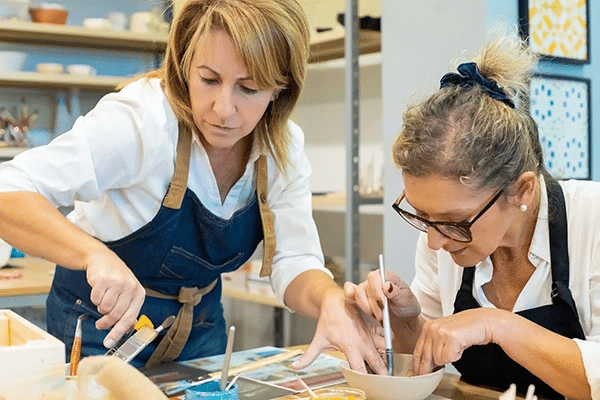
In line with the central theme of the MEVGlobal conference, Dr. Nobel gave an opening presentation on loneliness and the power of creative experiences to heal and connect. This was also the focus of a hands-on creative expression workshop he and our Executive Director, Chris Doucette, facilitated for 50 physicians. Combining mindfulness, expressive coloring, and group conversations, the workshop demonstrated the ways creative engagement can pave the way for positive social connections — for themselves and for their patients. Participants felt seen, heard, and understood, and better equipped to prioritize connection and belonging in their life and work.

Participants in our creativity workshop celebrate the meaningful connections they made with fellow physicians

One participant shared that the workshop had transformed her perspective on her role as a physician. For years, she had measured her value at work primarily through her technical expertise. But after engaging in expressive coloring and group conversation, she recognized another important dimension of her role: exchanging stories and building personal connections with her patients and colleagues. She left feeling more empowered than ever to embrace opportunities for creative expression and conversation in her workplace and foster a deeper sense of connection, belonging, and wellbeing.

The visit to São Paulo illuminated the ways not only healthcare providers but also cultural and community organizations can use the arts to engage, inspire, empower, and connect the people they serve. For example, at the Pinacoteca de São Paulo, our leadership team learned about the museum’s commitment to designing participatory experiences that spark conversations and strengthen connections. One notable example of this is “Goodness and Disaster,” an installation that Indonesian artist-activist Agus Nur Amal created twenty years after a tsunami destroyed his hometown. Complete with interactive bicycle pedals that can cause elements of the sculpture to move and rotate, the installation engages viewers both aesthetically and kinesthetically, making otherwise lonely experiences—like the trauma of natural disaster—easier to explore with others.

Jeremy Nobel, MD, MPH engages with Agus Nur Amal’s “toy tsunami” installation at the Pinacoteca de São Paulo with museum programs lead Gabriela Aidar

Outside of a museum context, our leadership team witnessed the compelling ways community organizations like SESC São Paulo are bringing people together through accessible, arts-based programming. During an in-person tour of SESC, they saw firsthand the arts and culture resources SESC is making available to the general public, including theaters, art galleries, and more. For people at risk for loneliness and disconnection, community hubs like SESC are fostering whole-person health and wellbeing, helping them engage with their thoughts and feelings and feel more connected to themselves and others. As we explore new collaborations around the world, we aim to partner with community organizations like SESC to make arts-based connection and health programs more scalable and available.

Project UnLonely is already reaching audiences beyond the United States. Translations of Dr. Nobel’s book Project UnLonely: Healing Our Crisis of Disconnection are now available in Portuguese, Korean and Thai, and we are in conversation with public health innovators in the UK, exploring arts-based pathways to fostering social connection. Together, these developments reflect growing international interest in arts-based approaches to health and social connection. And we’re not alone! Groups like the Global Arts and Social Connection Initiative and The Foundation for Social Connection are recognizing the arts as key public health assets that can promote connection and improve wellbeing.

Jeremy Nobel, MD, MPH and Chris Doucette pose in front of the Pinacoteca de São Paulo

The most exciting part of this growing movement is that you don’t have to travel across the world to be a part of it. You can participate in this movement wherever you are. Whether you are an artist, community leader, educator, or an individual seeking tips and tools for yourself, your loved ones, or your community, here are some simple ways to take action:

Visit and share our “Understanding Loneliness” page to take a deeper dive into loneliness and how the arts can address it.

Host a Project UnLonely Films short film screening to spark meaningful conversations about the joys of connection.

Start a book club to read and discuss Project UnLonely: Healing Our Crisis of Disconnection in English, Portuguese, Korean, or Thai.

Try and share our CreativityHub, a collection of 12 easy activities designed to encourage creative expression and spark connecting conversations.

If you work for an organization, run a creativity and connection workshop to help members of your community navigate loneliness and build belonging through the arts.

If you know an individual or community organization interested in the arts, health and wellbeing, or the personal and civic benefits of social connection, please share this post with them! Help spread the word about Project UnLonely and the steps we can all take to design healthier, more connected communities.

The Foundation for Art & Healing