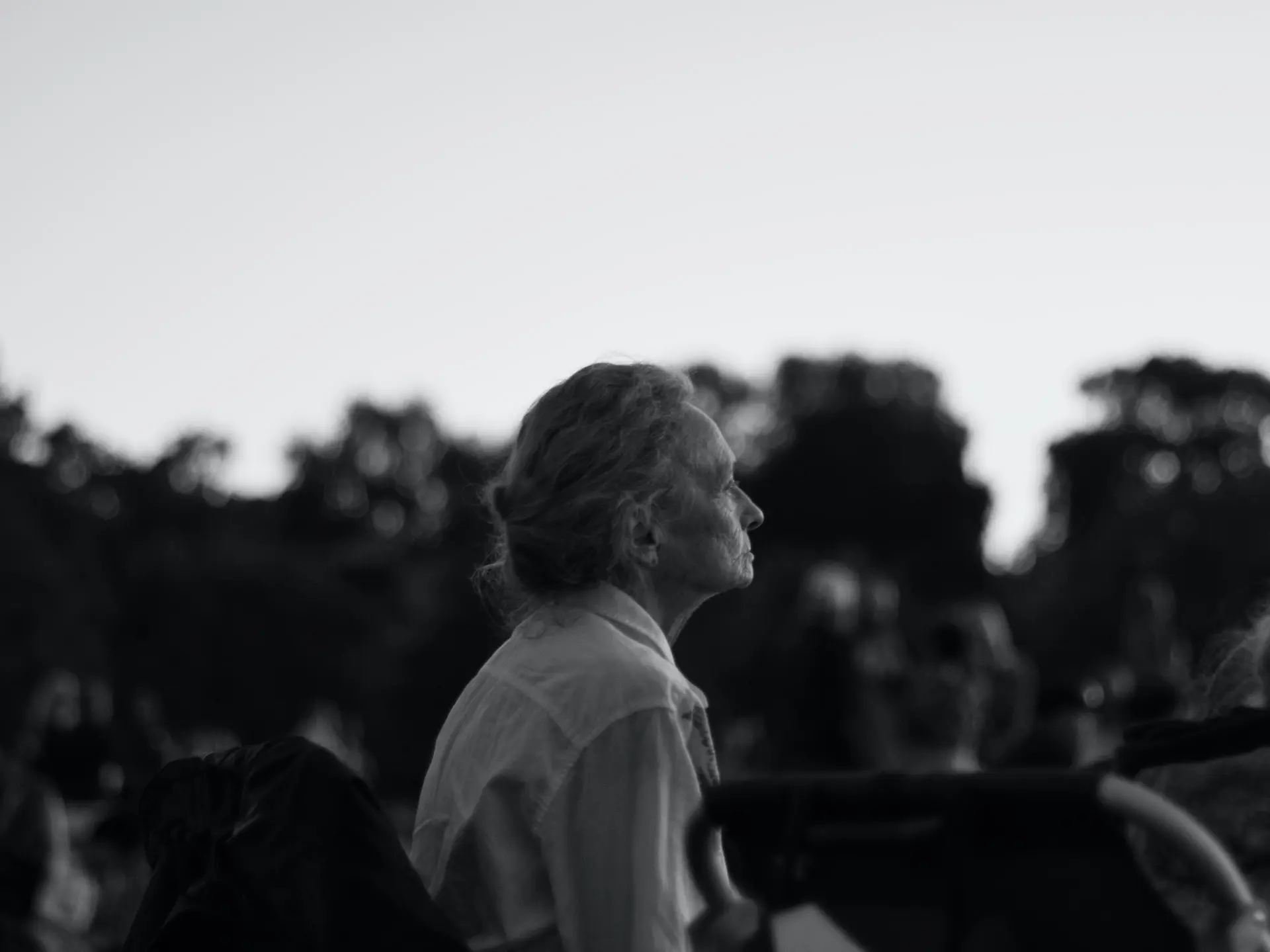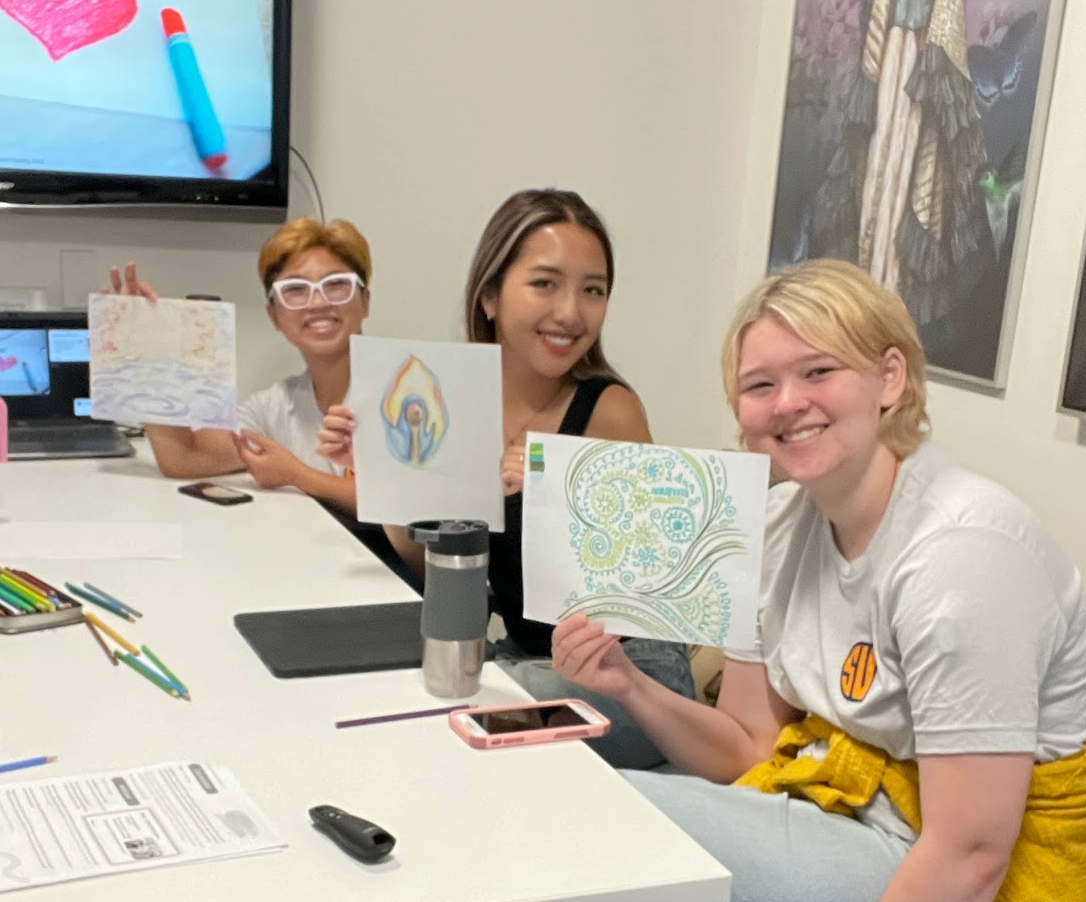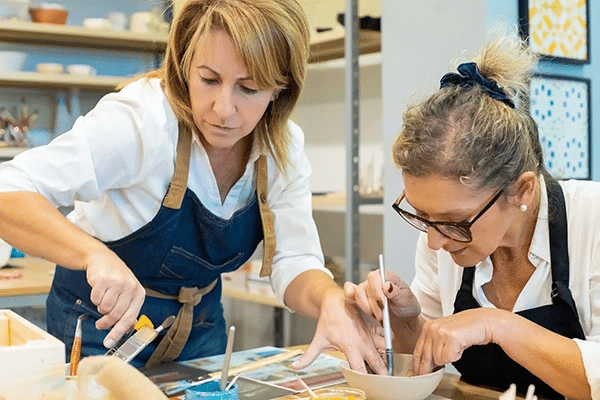

Our signature program portfolio raises awareness of loneliness and reduces stigma through arts-based experiences that engage, inspire, empower, and connect your community.
In just three minutes, learn how art reduces stress, boosts resilience, and builds connection.
Raising awareness of urgent health issues and advocating for creative expression as a solution is critical to fulfilling The Foundation for Art & Healing’s mission.

Subscribe to our newsletter for twice-monthly film recommendations, event updates, and ways to engage at the intersection of arts and health.
Every week, more than 30% of American adults feel lonely, putting their health at risk. Bring our arts-based program curricula to your community and help adults of all ages better connect with each other—and themselves.


Why? Encourages healthy behaviors and reduces the negative impacts of stress on the body and mind1
Why? Provides cognitive stimulation, facilitates relaxation, and helps counteract loneliness2
Why? Helps participants practice empathy and build positive personal and professional relationships3
What makes our programs different?
We believe that one of the most effective ways to improve health outcomes through the arts is by empowering organizations across the country to deliver our proven programs. Through simple training sessions and curricula, we help community leaders effect direct change.
Guided by best practices in public health program development, we work to ensure our workshops are effective, scalable, and sustainable. We do this by collecting survey data, keeping workshops simple and affordable, and using an online facilitator platform for wide-scale distribution and uptake.
Tested across 50+ campuses
• Three one-hour workshops, which can be delivered as standalone programs or as a series
• Components:
• Mindfulness
• Expressive coloring
• Conversations
• No visual arts skills needed.

The program has benefited over 5,000 participants to date. 96% of survey respondents would recommend the workshop, 84% felt more connected to their peers, and 79% felt less lonely than they did before.
• One 90-minute workshop, which can be delivered as a standalone program or as a series
• Components:
• Mindfulness
• Free-writing
• Conversations
• No creative writing skills needed

“This was therapeutic and much needed.”
Student, West Shore Community College, Michigan
• 8-Week Program
• Components:
• Mindfulness
• Creative expression
• Meaningful conversations about navigating the challenges of aging
No creative skill needed

“This is the ticket…if you can get people to do something creative it helps them. It’s the key for people to feel more powerful and hopeful.”
– Aging Outside the Lines Participant
• 4-Week Program
• Components:
• Mindfulness
• Creative expression
• Meaningful conversations about financial self-care
No creative skill needed

“I liked the resources given and how the facilitator presented the program. I also enjoyed spending time with others and all the art work.” – More Money in your Pocket Participant
• 90-minute workshop
• Components:
• Mindfulness
• Short film screening
•Conversations
No special skills needed

“I learned that it’s ok to feel lonely…there is a community for you out there; you just have to find it.”
Film Screening Participant, University of Vermont
• 90-minute workshop delivered as a standalone program or as a series
• Components:
– Mindfulness
– Optional short film screening
– Expressive coloring
– Conversations
No visual arts skills needed

“The most meaningful or impactful part was the creative process, when I drew with the crayons and shared it!” – Workshop participant
• 90-minute workshop delivered as a standalone program or as a series
Custom curricula for sharing stories about current pets and navigating pet loss
• Components:
– Mindfulness
– Expressive coloring
– Conversations
No visual arts skills needed

“My favorite part of the workshop was sharing with others about who [my] pet was.” - Workshop participant
• 90-minute workshop delivered as a standalone program or as a series
Custom curricula for sharing stories about current pets and navigating pet loss
• Components:
– Mindfulness
– Personal story writing
– Conversations
No visual arts skills needed

• Short film screening paired with connection-building activities
Custom curricula for sharing stories about current pets and navigating pet loss
• Components:
– Mindfulness
– Short film screening
– Expressive coloring
– Conversations
No visual arts skills needed

97% said the film helped them reflect on loneliness and connection in their own life. 97% said the workshop increased their sense of connection with others. 94% felt truly heard by others during the workshop.
If you work for a college or university, click here to learn more about our Campus UnLonely offerings and register for an information session. You can also complete a 3-minute interest form to take the first steps towards Campus UnLonely membership. Members get access to a full scripted curriculum and facilitator guide, plus our Project UnLonely Films screening toolkit.
If you work for a community-based organization, complete our program interest form. After reviewing your responses, we’ll reach out to talk about how to bring our programs to your community.
We look forward to hearing from you!

The Foundation for Art & Healing develops innovative programs that ignite the power of creativity, the imagination, and the arts to improve health and well-being in individuals and communities. Our evidence-informed approaches are based upon the science of creativity, and have demonstrated that the arts are transformational in engaging our hearts and our minds, elevating empathy, compassion, and connection to oneself and others.
Creative expression has the power to improve well-being by helping us understand ourselves, shifting perspectives, and reinforcing positive behaviors. Physiologically, making art has dramatic effects on our bodies: reducing blood pressure, bolstering our immune system, improving brain cognition, and fighting inflammation.
Footnotes
2 – see Psychosomatic Medicine and Journal of Personality and Social Psychology
3 – see WHO and Arts & Health
4 – see Psychology in the Schools, Child Development, and Archives of pediatrics & adolescent medicine