
Our signature program portfolio raises awareness of loneliness and reduces stigma through arts-based experiences that engage, inspire, empower, and connect your community.

In just three minutes, learn how art reduces stress, boosts resilience, and builds connection.
Raising awareness of urgent health issues and advocating for creative expression as a solution is critical to fulfilling The Foundation for Art & Healing’s mission.

Subscribe to our newsletter for twice-monthly film recommendations, event updates, and ways to engage at the intersection of arts and health.

By Katharine Weiner
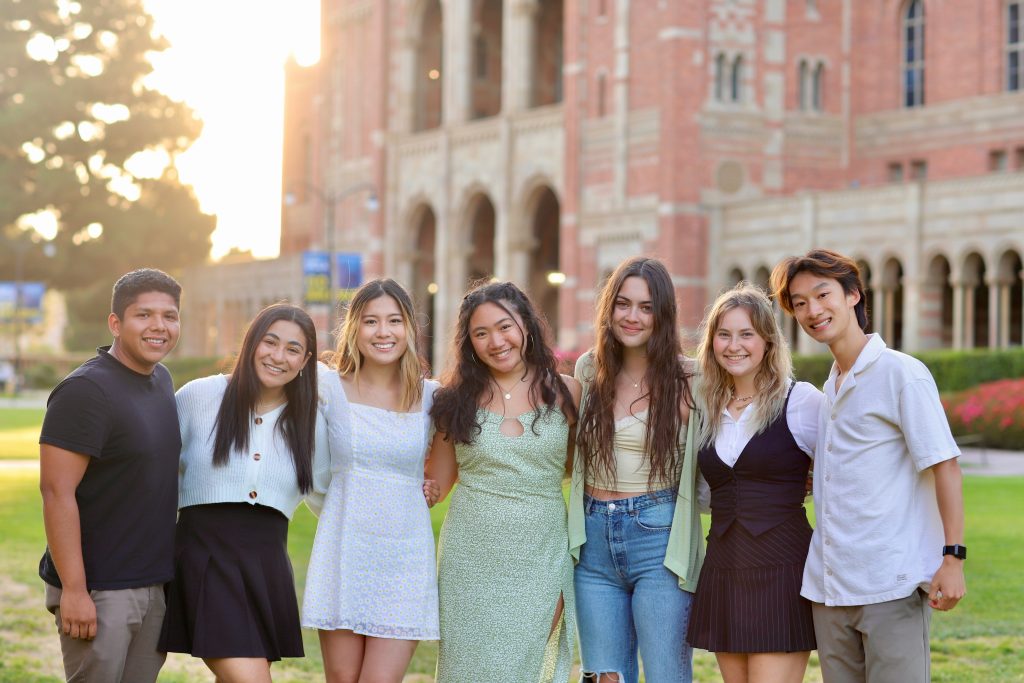
Transitions can be difficult to navigate, and adjusting to college can be overwhelming. I just completed my first year of college, and reflecting on the year, I had an incredible experience meeting many new people, having meaningful conversations, and learning so much about myself. Every person experiences the transition differently, but looking back on my experience, I want to share some of the things I did that helped me settle and have a smooth transition.
While it may seem like grabbing food to-go or eating in your room may be the most efficient way to go about college, spending time in the dining hall was one of the most crucial things I did to develop my relationships. While college can feel so busy and everyone is doing their own things, I found that the dining hall was the communal space where everyone had to go, slow down, and eat. Even if you’ve finished your food, stay for the conversations. I even did a challenge to stay in my dining hall for 24 hours! You don’t have to be as extreme as me. You never know when you might just stumble upon connection, deep conversations, and many laughs.
Spending so much time on a new campus in the midst of the busyness of college can be overwhelming, so I found spending time in nature to be grounding. It helps me slow down, reflect, and refresh. This past year I spent many of my weekends going on hikes. Sometimes hikes are not accessible or feel like too much of a commitment, so I also went on nature walks in a local park. This can be done independently or you can find a group of people who are interested in this.
To take the social pressure off of finding people to go with, I recommend locating your college’s outing club. I am a leader in the Harvard Outing Club, and one of the most fulfilling experiences of my first year was taking people on adventures where they can experience the outdoors regardless of their previous experiences, go outside of the campus bubble, and meet new people. I find that whenever I go on a hike, the quality of conversations I have are so much deeper, and I leave the experience feeling connected to other people and proud of myself for taking on a physical challenge.
Coming to college can feel like you have reached a milestone of independence and self-sufficiency. While I found this to be rewarding and exciting, it is easy to forget how important it is to use the resources offered and ask for help. You may not know at first what resources are available, and as the year went on I kept discovering more systems ready to help me. For academic help, I recommend looking into academic resource centers such as a writing center and peer tutoring. You will not know how helpful it can be unless you try it.
Most of all I recommend going to office hours. Even if you do not have a specific question, at office hours your professors and teaching staff want to engage with you and are there to help. No matter the size of your concern, if you need any guidance about residential or daily life in college, seek out your residential proctor, if you have a peer advisor, or other counseling services on campus. There is never any shame in asking for help and using your campus resources.
Being on a new campus can be disorienting. When I first arrived on campus I had no idea the best way to navigate it or any of the names of the buildings. Slowly I began to explore, trying to study in new locations and walk different routes. Whether it is to do school work, call home, chat with friends, finding my campus “corner,” my go-to spots, helped me feel way more at home.
Some of these spots for me were a small reading room in the library, the common room of my dorm building, and even a random side hallway in a busy building. It took me a while to find these places, and for the first few months I found myself constantly spending time in new spots. If it does not feel right, try somewhere else. You’ll be surprised at how much more productive and at ease you can feel in certain places. Having locations around campus where you are comfortable can help you feel more settled in a new place.
Going into college, I felt a lot of pressure around having roommates whether it was spending too little or too much time with them. Something I learned this year is that not everyone engages with their roommates in the same way. I feel like there is often an expectation to be best friends with your roommates, whether you chose them or it was random. I know people who immediately bonded with their roommates during orientation week, and they traveled around as a group.
But if you are not feeling close to your roommates, that is totally normal. It may feel like you are doing college wrong and be upsetting to see other rooming groups that look like they are really close, but whatever situation you have will work out in its own way. This may lead you to spend more time with other people. If you do have roommates that you feel close to, then that is also completely fine. You do not need to feel like you are necessarily limiting yourself. Navigating the pressure around roommates can be difficult, but what really matters is that you create relationships and a room environment that makes you feel comfortable.
There are so many different organizations you can join in college. It can sometimes feel like everyone else has a niche and is in their organization but I believe it is very important to try new things even if you might not be confident in your abilities. This year I auditioned for many performing arts groups in disciplines I had never done before, joined the college radio club with no prior experience, and even acted in my first musical with a cast of incredibly talented performers. These moments are when I learned so much from other people. You never know what activity you may really enjoy or find meaningful unless you try it out.
Show up for a couple of meetings and give the community a real chance, but another piece of advice on this point is to not feel obliged in any way to continue an activity that is not fulfilling. While you should try many new ones, you don’t need to stick with them. All summer before freshman year I had planned to join the frisbee team. I got to college and went to practice for almost a month. While the team was extremely welcoming, I realized that this activity was not how I wanted to spend my time. I did not want to disappoint the team or the new friends I had made, but I have learned how important it is to follow how you feel.

The transition to college can feel challenging, especially when reality doesn’t line up with your initial expectations. I’ve found that by making choices that engage my curiosity—like lingering in the dining hall for interesting conversations, spending quality time outdoors, and exploring a range of student organizations—I’ve opened my world to new opportunities that I might not have discovered otherwise.
If someone you know is starting college in the fall, share these tips to help them feel more connected and more confident about navigating this major life transition. For even more ideas, check out this article I wrote last fall: www.artandhealing.org/5-tips-for-an-unlonely-college-transition/.