How Chronic Loneliness Affects Heart Health (and How Creativity and Connection Can Help)

February is American Heart Month, a time to raise awareness of cardiovascular disease and explore strategies to protect your heart health now and in the future.

February is American Heart Month, a time to raise awareness of cardiovascular disease and explore strategies to protect your heart health now and in the future. Cardiovascular disease (CVD) is the leading cause of death in the United States and worldwide. But here’s the encouraging news: the vast majority of CVD cases are preventable, and there are concrete, research-backed steps you can take to lower your risk.


A great place to start is the American Heart Association’s eight essential guidelines for heart health. These include engaging in regular physical activity, eating a healthy diet, not smoking, and getting enough sleep, along with maintaining healthy blood pressure, blood sugar, weight, and cholesterol levels. But what if there are more than eight pathways to a healthy heart? Recent research on loneliness suggests that recognizing lonely feelings and taking steps to navigate them may reduce the risk for cardiovascular illness.

Read on to learn more about the relationship between loneliness and cardiovascular risk, why social connection is good for your heart, and creative ways you can build meaningful, health-enhancing connections in your daily life. Whether you’re a young adult just starting to design heart-healthy habits, an older adult refining your routines, or somewhere in between, this post is for you. Let’s dive in.

Chronic loneliness and cardiovascular risk

Unlike being alone, loneliness is the subjective feeling that a gap exists between the social connections you want and the social connections you actually have. In small doses, loneliness is a normal part of human life. But when loneliness reaches chronic levels, it can increase the risk for serious health problems. As Jeremy Nobel, MD, MPH shared on an episode of the Well Said podcast, “Where loneliness becomes really problematic for heart disease and other health factors is when it becomes sustained and pervasive in our lives, when it changes how we make sense of the world, how we act, how we connect with others.”

Chronic loneliness can significantly impact cardiovascular health, increasing the risk for heart attack by 29% and the risk for stroke by more than 30%. Why is that? Scientists are still working to fully understand the connection, but a 2021 literature review by scholars Elise Paul, Feifei Bu, and Daisy Fancourt suggests five possible mechanisms linking loneliness and CVD:


  • Psychological – Chronic loneliness can trigger negative emotional states like depression, anxiety, stress, and anger, all of which strain heart health.


  • Neuroendocrine – Chronic loneliness can heighten the body’s stress response, increasing cardiovascular risk.


  • Immunological – Chronic loneliness can worsen inflammation and weaken immune function, increasing vulnerability to disease.


  • Cardiometabolic – Chronic loneliness can contribute to elevated blood pressure, a key risk factor for CVD.


  • Behavioral – Chronic loneliness can reduce motivation for self-care and increase the likelihood of heart-unhealthy behaviors, including physical inactivity, smoking, and excessive alcohol consumption.


Why social connection is good for your heart

While loneliness is correlated with unhealthy behaviors like smoking and physical inactivity, the reverse is also true: meaningful social connections can inspire, support, and sustain lifestyle choices that promote heart health. 

As Dr. Nobel shared on Well Said, “People around us—our networks of friends and support—are so important to reinforcing within us healthy behaviors, whether it’s smoking cessation, proper diet, or proper exercise.” That reinforcement can take many forms, from physical presence (like joining a friend for a walk) to emotional encouragement (like sending a motivational text). By prioritizing connection, we can create the conditions for a heart-healthy life, not only for ourselves, but also for the people we care about.

Creative ways to build meaningful connection

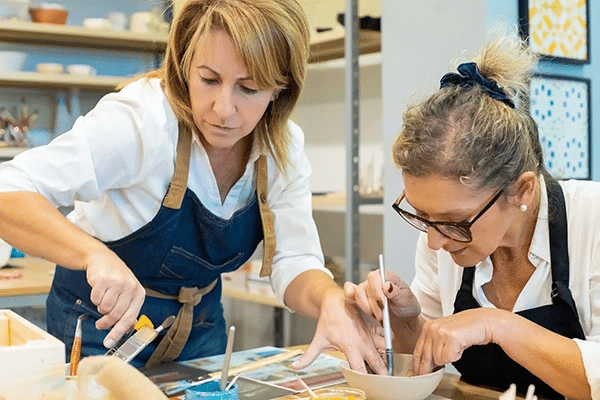
The arts—from dancing and doodling to cooking and crocheting—are effective but often overlooked tools for engaging authentically with ourselves and others. Whether you’re expressing yourself creatively or appreciating someone else’s work, arts-based activities can lower stress hormone levels and boost the production of feel-good hormones, paving the way for reflection, conversation, and connection. For example, The Foundation for Art & Healing’s Colors & Connection workshops combine mindfulness, expressive coloring, and paired discussions to help participants explore their thoughts and feelings while relating to their peers.

Quick creativity breaks, even just 5-10 minutes at a time, offer a simple way to bring more art-making into your life, regardless of skill level. Beginner-friendly activities like drawing a “Gratitude Tree,” sending a postcard to someone you haven’t spoken with in a while, or writing a six-word poem about your day can help you feel calmer, more in touch with your inner world, and more open to connection. For 12 easy creativity prompts, visit the CreativityHub, click on a card, and start creating and connecting. You can even share what you’ve made with a friend, family member, or The Foundation for Art & Healing’s online community.

In Closing

At any age, recognizing when you feel lonely, and having a toolkit of creative ways to navigate those feelings, is an important part of leading a healthy life—not just mentally and emotionally, but physically as well. Chronic loneliness can increase the risk for cardiovascular disease and other health challenges. But with a little creativity and intentional connection, we can effectively manage loneliness and support heart health in ourselves and others.

Note: This blog post is intended to educate, inform, and inspire. It is not a substitute for medical advice. For questions about cardiovascular illness, contact your primary care physician.

The Foundation for Art & Healing